
4Additive

additive manufacturing blog

Latest additive manufacturing news

Transform Images into 3D Textures in 5 Minutes?

Transform Images into 3D Textures in 5 Minutes?

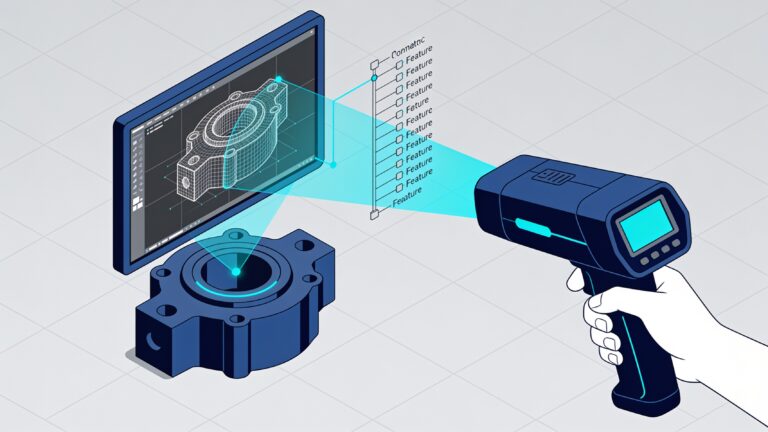
CNC Kitchen's BumpMesh transforms images into realistic 3D textures in minutes, directly from the browser. Without complex software, it allows you to apply displacement maps to create physical details on 3D models, ideal for 3D printing and rendering. Open-source, free, and easy-to-use tool.

Does 3DSearch beat native platforms?

Does 3DSearch beat native platforms?

3DSearch is a meta-engine that indexes millions of 3D models from various platforms, offering fast search and a modern interface. While scalable and comprehensive, it does not yet replace the integrated features and community of native platforms. Ideal for quick research, less suitable for professional workflows.

Can you really recycle your 3D filament at home?

Can you really recycle your 3D filament at home?

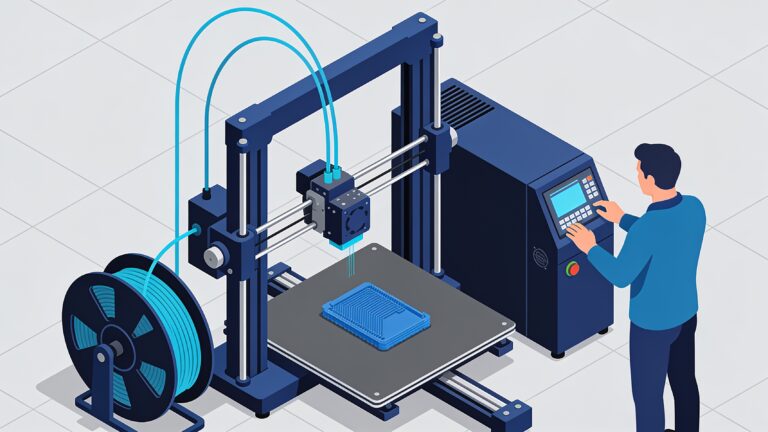
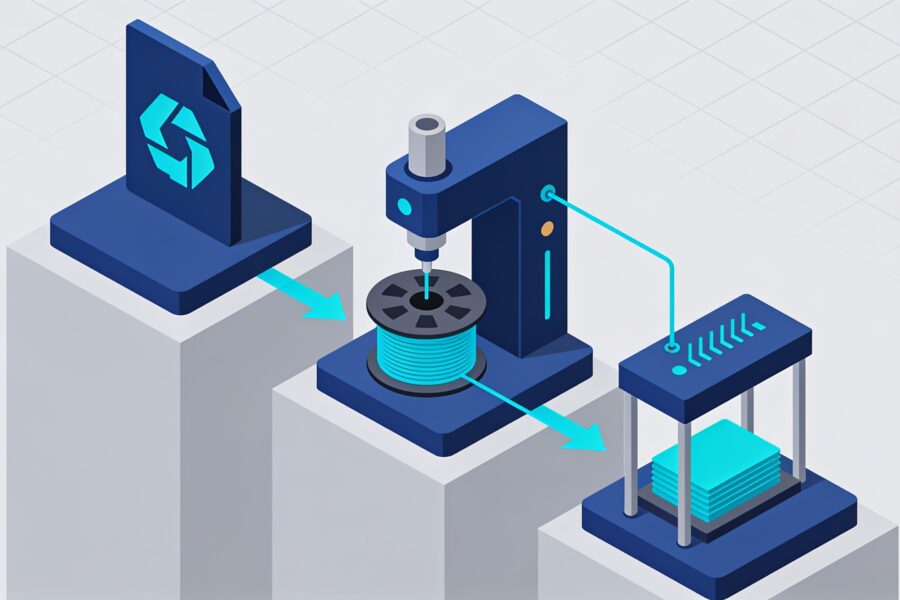
Creality develops a home recycling system for 3D filament, composed of a shredder and extruder, which turns print failures into new filament. The process includes shredding, drying, and re-extrusion, with acceptable tolerances for non-professional use. It supports various materials and allows for creative customizations, yet still requires manual intervention. A first step

3D Micropile for Immunotherapy? Here's How It Works

3D Micropile for Immunotherapy? Here's How It Works

3D microneedles based on polysaccharides represent a new frontier for cancer immunotherapy. These biodegradable structures penetrate the skin to release drugs directly into the tumor microenvironment, reducing side effects and increasing therapeutic efficacy. Thanks to 3D printing, it is possible to customize their shape and composition for targeted and controlled release. I

Can AM revolutionize the transport of nuclear fuel?

Can AM revolutionize the transport of nuclear fuel?

Additive manufacturing could revolutionize the transport of spent nuclear fuel, reducing costs and production times for critical components such as impact limiters. Technologies like FFF and PBF allow for complex geometries and savings of up to $1.7 million per cask. Studies by Orano and UNC Charlotte confirm technical feasibility, but specific regulatory standards are still lacking.

High-temperature ceramics: which AM process to choose?

High-temperature ceramics: which AM process to choose?

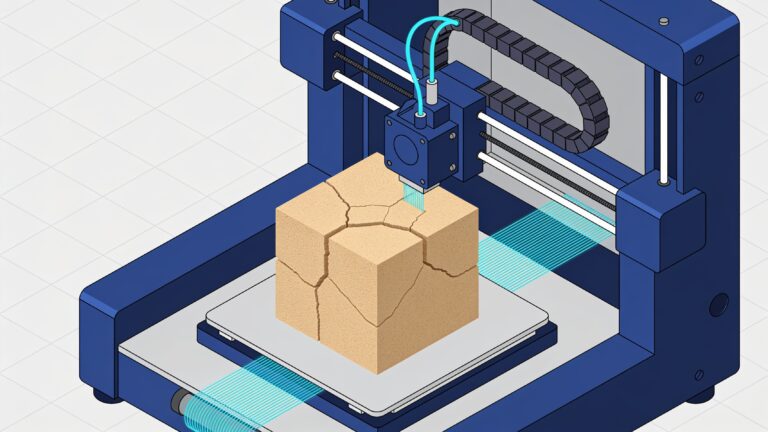
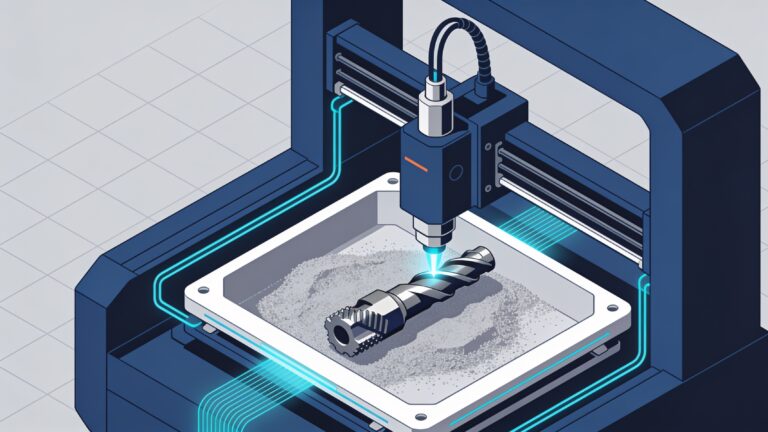
Additive manufacturing of high-temperature resistant ceramics requires careful selection of the process: melt-infiltration, CVI, or PIP, each with advantages and limitations in terms of cost, speed, and complexity. Cellular structures reduce weight and material but can compromise structural integrity. Advanced materials such as SiC and multi-oxide composites offer high performance but at

Transparent and Special: How Do They Really Work?

Transparent and Special: How Do They Really Work?

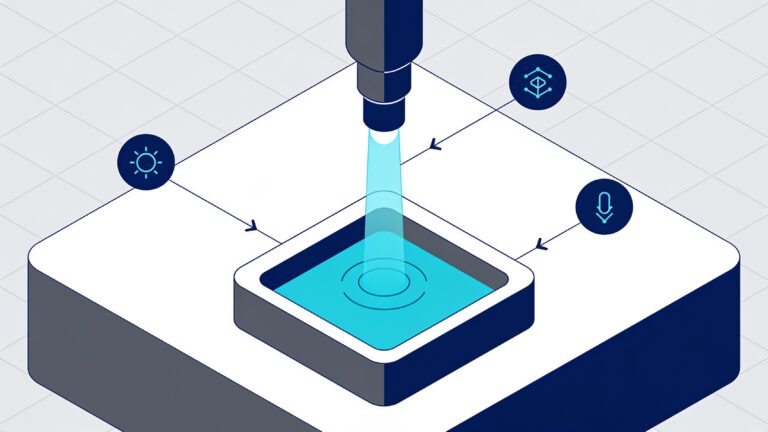
Transparent and special photopolymers are revolutionizing industrial 3D printing thanks to light transmittance greater than 90%, biocompatibility, and micrometric precision. Used in sectors such as medical, microfluidics, and jewelry, these materials offer advanced optical and mechanical properties but require specific knowledge for effective use.

Who wins in 2026 among FDM toolchangers?

Who wins in 2026 among FDM toolchangers?

In 2026, the FDM toolchanger market has consolidated: here is the solution that stands out for performance, reliability, and software integration. The best choice depends on the specific workload.

FullSpectrum and Toolchanger: How Advanced Color 3D Printing Really Works

FullSpectrum and Toolchanger: How Advanced Color 3D Printing Really Works

Advanced color 3D printing is evolving with FullSpectrum and intelligent toolchangers, combining optical mixing and rapid tool changing to achieve realistic gradients and shades, reducing waste and downtime. Technologies like Snapmaker Orca Full Spectrum and multi-nozzle toolchangers open new possibilities for aesthetic prototyping and multicolor design, maintaining high productivity.

Real-time correction: how patents promise to revolutionize 3D printing

Real-time correction: how patents promise to revolutionize 3D printing

New real-time quality control systems promise to revolutionize 3D printing by correcting errors during the production process. Optical and thermal sensors monitor printed calibration elements alongside the component, enabling immediate corrections to parameters. This reduces waste and improves precision, especially for complex geometries such as aerospace ones. The patent

How Lightweight Reticulated and Foamed Structures Work: A Technical Overview of Advanced Composite Materials

How Lightweight Reticulated and Foamed Structures Work: A Technical Overview of Advanced Composite Materials

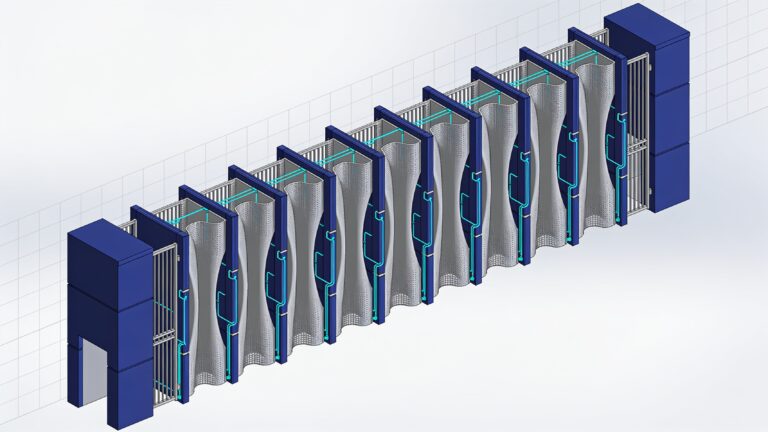
New IFAM technique combines foam and 3D structures for lightweight, high-performance, low-cost composites, with energy absorption up to 10x higher.

Functional and Adaptive Filaments: Mechanisms of Failure and Thermomechanical Stability

Functional and Adaptive Filaments: Mechanisms of Failure and Thermomechanical Stability

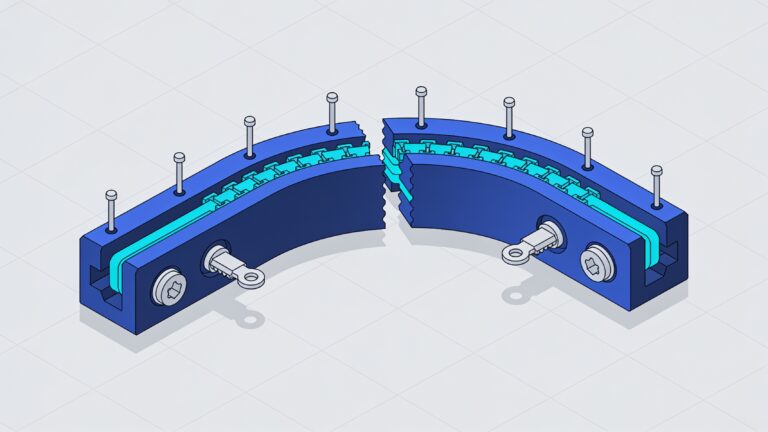
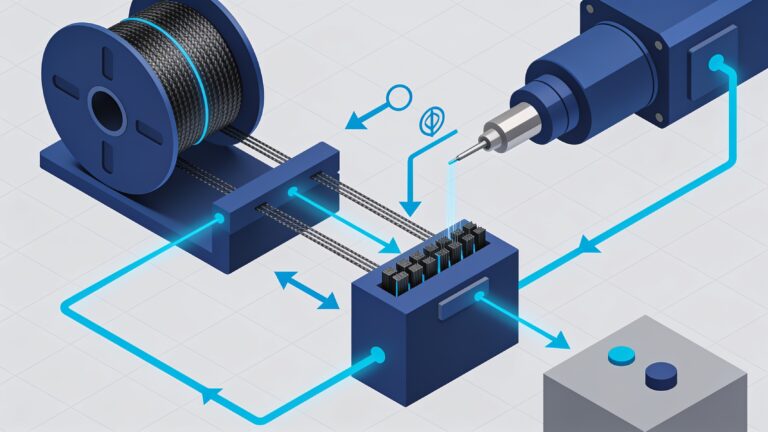
Composite filaments for FDM 3D printing, enriched with carbon or glass fibers, exhibit brittleness and risk of breakage during printing due to poor integration between additives and the polymer matrix. Chamber heating does not improve the situation and may worsen the problem. Structural discontinuities generate localized stresses, especially in the filament path curves

/